
Add SmartMe as a preferred source.
Plug-in Solar Panels
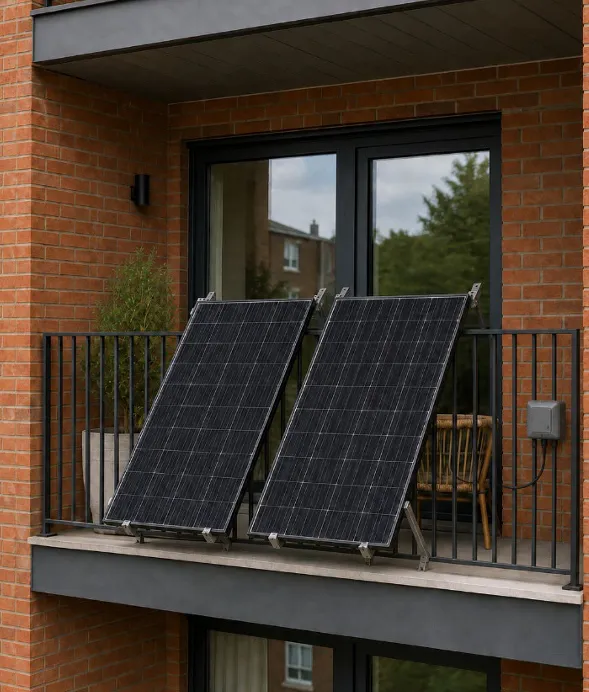
Plug-in solar panels are solar kits that you can install yourself by plugging a standard 13A fused plug into a BS 1363 socket outlet. They feed the electricity they generate into your home's electrical circuits. An appliance that is turned on will use this solar power first, reducing the electricity used drawn through your Smart Meter. Unlike solar panels on your roof, you won't need an electrician to install them.
A Smart Meter is not required.
Legislation was introduced to allow the use of plug-in solar panels on 27th August 2026.
What do you get in a kit?
Systems typically include one large or two smaller panels with a microinverter that converts sunlight to usable AC power. Only one kit per house (Max 800W) is allowed under current rules.
Usually the panels will connect to the microinverter using MC4 connectors. Make sure that these cables are long enough before you order.
Are they safe?
Yes, plug-in solar is already widely used across Europe. Ensure you buy your kit from a reputable retailer and that it meets UK product safety standards.
For safety the inverter will immediately (requirement in G98 and EN 50549-1 is faster than 500ms) shut down if it's unplugged from the wall to prevent the plug pins from being 'live' and shocking you. This is known as anti-islanding. The inverter will also shut down when there's a powercut, preventing it from shocking network engineers who think that the cables are not live and therefore save to touch. Note that this also makes them unsuitable for those who want an independent power supply for say, a caravan, as they need a live mains supply to function.
Follow all safety guidance from the manufacturer when installing them.
How much can they generate?
The rules limit the output to a maximum of 800W. This should generate about 700kWh over a year or about 20% of a home's electricity needs. Do not use extension cables as these could get hot with the continuous load.
You might expect to use about half of the electricity generated with the other half going back into the grid. This should give you a saving of between £75 to £100 a year, with a payback period of between 4 and 7 years.
If you see a supplier offering for example, two 460W panels, don't worry as the inverter will limit the output to a maximum of 800W.
Plug-in solar panels should have a life of 20 to 30 years and the microinverters similarly.
What panel should I buy?
There are a number of different plug-in solar panels available but you will only be able to register those on the approved device list available at ENA Connect Direct.
It is important to ensure that the device you choose is compliant with the relevant standards and has been tested and approved for domestic use. This will help ensure that the device is safe to use and will not cause any issues with your home's electrical system.
Do I have to register my Solar Panel?
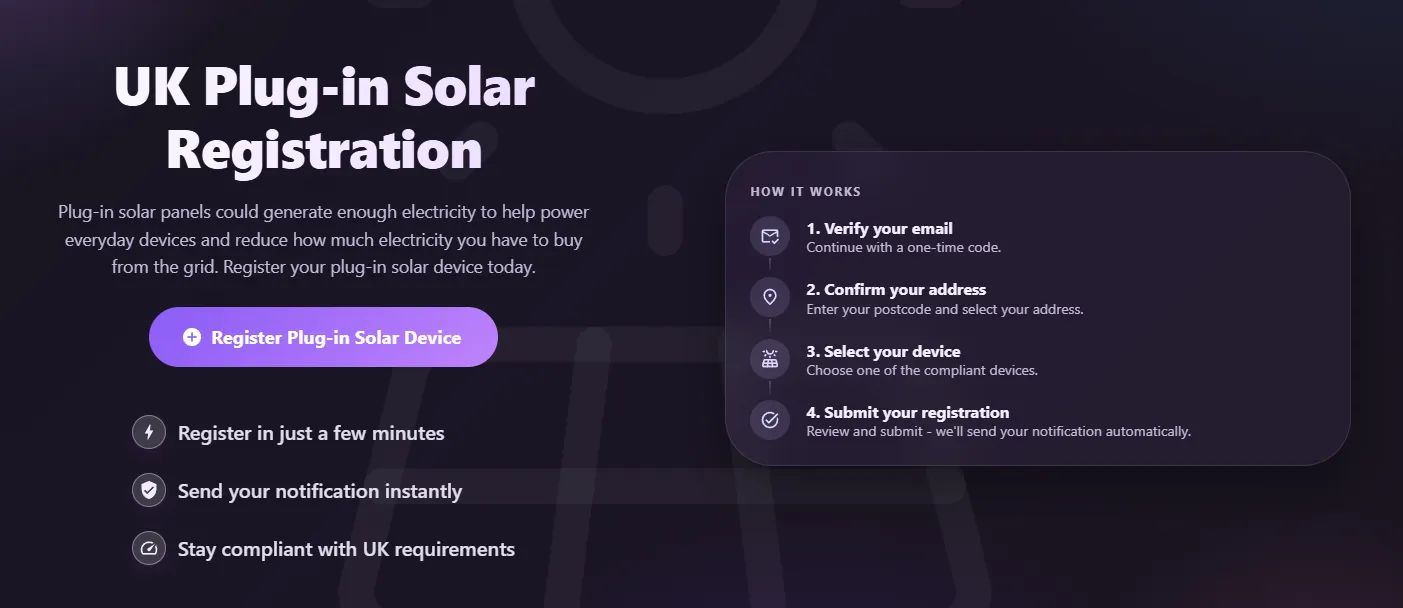
It is a legal requirement (EREC G98) to register your device with your Distribution Network Operator (DNO) within 28 days of using it. Fortunately, the registration process is straightforward and can be completed online at UK Plug-in Solar Registration.
Registering helps your DNO understand where these devices are connected and they can check that the local electricity network can safely accommodate them.
Only compliant devices that have been tested and approved for domestic use can be registered. When completing your registration, you will only be able to select devices that are available on the approved device list.
An advantage of plug-in solar is that you can take the kit with you if you move, but do remember to de-register it from your address.
Further information
Here is a list of resources on plug-in solar panels, including installation guides and safety tips:
- Electrical Safety First Consumer Guidance Plug-in Solar Panel
- Energy Saving Trust
- GOV.UK Press Release
- GOV.UK Plug-in solar electrical safety study
- GOV.UK Plug-in solar: Regulatory amendment and interim product specification